Signed in as:
filler@godaddy.com
Signed in as:
filler@godaddy.com
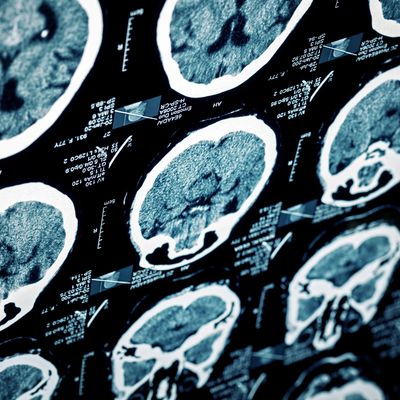
Brain injuries, including those caused by stroke, traumatic brain injury (TBI), or acquired brain injury (ABI), can affect different parts of the brain and lead to changes in thinking, memory, emotions, and behaviour. Our assessments aim to provide a detailed understanding of how your brain injury may be impacting your daily life.
Conducted by a multidisciplinary team, we use a variety of reliable tools to assess cognitive functions such as memory, attention, executive skills, and mood. This includes tests like the Wechsler Memory Scale and assessments of anxiety and depression. We also consider your premorbid functioning to understand changes since the injury.
Our holistic approach helps identify your unique strengths and difficulties, guiding personalised recommendations to support your rehabilitation and wellbeing.
Screening assessments are sometimes necessary to ascertain which direction the main diagnostic assessments should take. This entails:
▪ Clinical interviewing and observation session facilitated by one or more of our specialist assessors
▪ Screening tools to be administered to explore possible symptoms and traits of neurodevelopmental or cognitive areas.
▪ Mental State Examination
▪ Structured clinical interview with service user, parent or carer
▪ Observational assessment in clinic
▪ Multi-disciplinary team diagnostic assessment sessions, using appropriate tools
▪ Feedback appointment and the written report
▪ Core Diagnostic Assessment
▪ Identifying/Assessing associated psychological, emotional, or sensory processing needs including:
▪ Clinical interview with service user, parent or carer
▪ Observational assessment in clinic and relevant other settings, if necessary
▪ School observation (for Children; if necessary)
▪ Multi-disciplinary team diagnostic meeting
▪ Feedback appointment and the written report
This package incorporates all elements of the core and enhanced diagnostic assessments, in two or more conditions (e.g., Autism, ADHD, Learning Disabilities).
▪ A Diagnostic Assessment report that includes a clinical report with tailored recommendations.
▪ A 30-minute feedback session.
▪ The report being issued within 4 weeks.